Illegal eels

Posted by Daniel Nyqvist | Nyheter

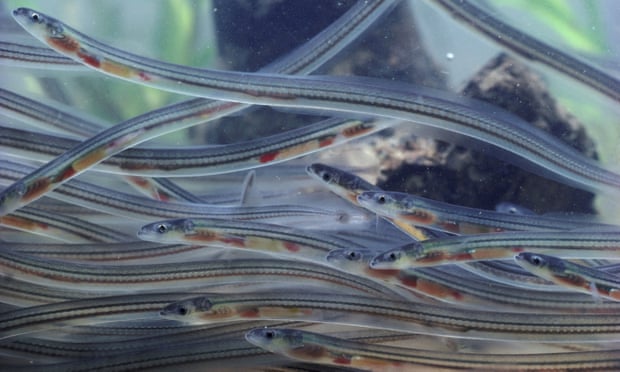
Two articles on the eel fishery and illegal trade of glass eels have been published on the Guardian Environmental Blogs. Despite fishing quotas and trade restrictions tons of European eels are illegally exported to lucrative Asian markets.

Read the articles about the illegal eel trade theguardian.com:

Part I – Illegal eel: black market continues to taint Europe’s eel fishery

Part II – Illegal eel: who is pilfering Europe’s catch?

Glass eels. Photo from The Guardian.

In the second article, NRRV (eng. River Ecology and Management Research Group at Karlstad University) collaborator Florian Stein‘s work in Hong Kong is cited.

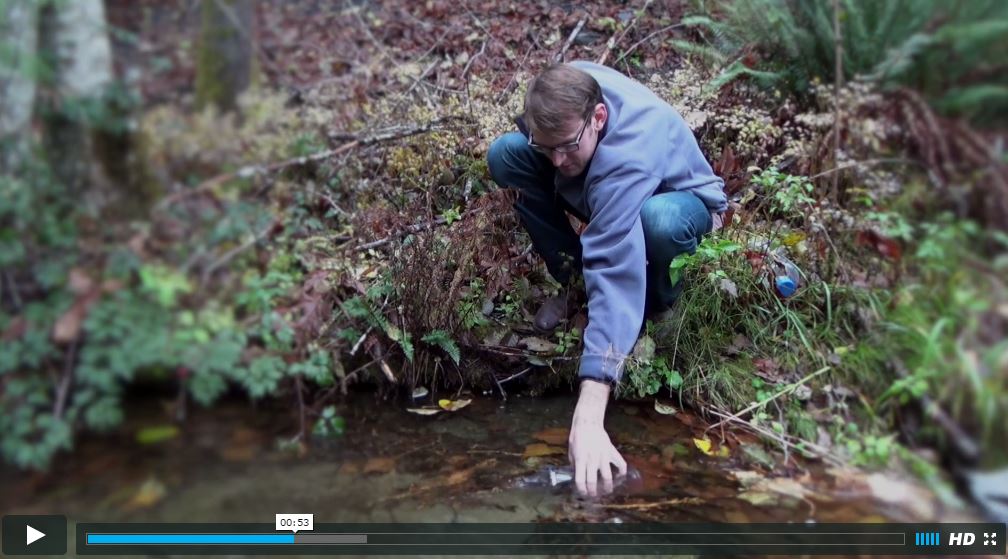
John Piccolo, researcher at Karlstad University, is active in the Society for Conservation Biology Freshwater Working Group. For World Fish Migration Day the working group together with the Freshwater Ecology and Conservation Lab at University of Washington and the World Fish Migration Foundation are “hosting a 24-hour streaming video event which celebrates free flowing and connected rivers.” For this they are “requesting short video diaries from people around the world about what their river means to them and their community”. 

Read more about the event and how to contribute with your video here.

video

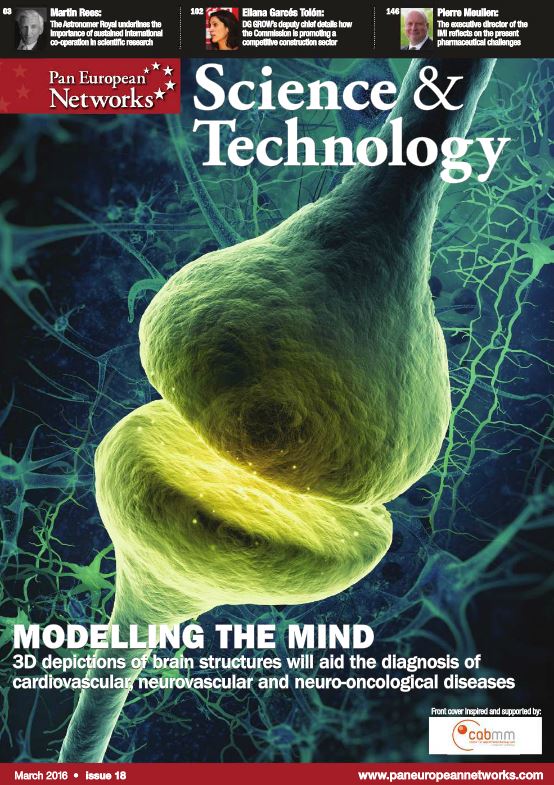
PENNRRV (eng. River Ecology and Management Research Group) is presented in the Pan European Networks’ publication Science and Technology:

“The River Ecology and Management Research Group at Karlstad University, Sweden, develops innovative solutions to environmental problems in direct collaboration with stakeholders such as municipalities, NGOs and industry.

The River Ecology and Management Research Group, consisting of four full professors, six researchers and seven graduate students, works towards advancing the understanding of freshwater ecosystems and their surrounding landscapes. The group conducts both basic and applied ecological research in all types of fluvial environments, from small streams to large rivers. According to the United Nation’s Millennium Ecosystem Assessment, freshwaters are among the world’s most imperilled habitats, and the past 50 years have seen drastic declines in freshwater biodiversity and ecosystem services due to anthropogenic habitat alteration. Much of the group’s research focuses on understanding the effects of flow modification and habitat loss on responses by different organisms, and applying results to solve real-world, challenge-driven problems. Studies are conducted in countries across the globe, solving environmental problems in transdisciplinary settings. Our 250m2, state-of-the-art fluvial aquarium facility enables us to experimentally identify mechanistic, behavioural responses to environmental conditions. Recent large research projects focus on fish passage in regulated rivers, forest-stream interactions, fish winter ecology, and fish-mussel host-parasite interactions…”.

Read the whole article here.

Today Lea Schneider, PhD-student at Karlstad University, will give a seminar titled: “Local adaptation studies and conservation: parasite-host interactions between freshwater mussels and fish”. The seminar will be given at 13:30 in room 5F416 on Karlstad University. Everyone is welcome to attend!

Read more about the thick shelled river mussel on NRRV.se or on UCforLife.

Fisk, precis som andra organismer, läcker hela tiden DNA till det omgivande vattnet. Detta DNA, som på engelska kallas Environmental DNA (eDNA) kommer från till exempel fiskens fjäll eller slemskikt. Teknologi som använder eDNA i vattenmassan för att kartlägga fisk har utvecklats betydligt de senaste åren. Genom att samla in vatten från ett vattendrag eller en sjö och jämföra DNA-innehållet i det insamlade vattnet med nycklar för olika arter kan man redan idag med relativt stor säkerhet avgöra närvaro av fiskarter. Forskare hoppas att i framtiden även kunna bestämma tätheter och upprätthålla kontinuerlig miljöövervakning med hjälp av eDNA. Se en kort film om teknologin på Hakai Magazines hemsida:

eDNA

Läs även “eDNA technology successful in detecting Chinook salmon” om hur eDNA använts för att spåra Stillhavslax.

HaV har börjat samla “nya rön om bästa möjliga teknik för vattenkraften från 2015 och framåt” online. Till en början ligger fokus på fiskpassage lösningarna vid Hertings kraftverk i Ätran om vilka de skriver:

“Nya fiskpassagelösningar vid Herting vattenkraftverk i Ätran har markant förbättrat passagemöjligheterna för lax, ål och havsnejonöga. De nya passagelösningarna, en stor naturlik fiskväg och ett låglutande galler, illustrerar potentialen av att ersätta gamla passagelösningar med nya, utformade enligt rekommendationer om bästa möjliga teknik.”

På sidan finns flera länkar för den vetgirige. Kolla in den på havochvatten.se.

Herting

Hertings kraftverk. Till vänster syns det snedställda gallret för nedströmsvandrande fisk medan den stora naturlika fiskvägen tar upp bildens högra del.

NoWPaS 2016

Posted by Daniel Nyqvist | Events

NoWPaS – the International Workshop for PhD and Post-Doctoral fellows on Salmo salar and Salmo trutta – will this year be organized at the INRS-CIRSA Field Station, Sacré-Coeur, Québec,Canada. The workshop will take place during 13th – 17th June 2016. The organizing committee writes:

nowpaslogo“Registration for the 2016 NoWPaS workshop is now open! For the first time since its creation, we are excited to bring the 12th NoWPaS workshop to Canada.

To register for NoWPaS 2016, please email gdauphin@unb.ca with your name, institution and tentative title before March 6th 2016.

The number of attendees at the NoWPaS 2016 workshop is limited, and registrations will be accepted on a ‘first come, first served’ basis.

Please disseminate this information to people/labs/research groups who may be interested.

Please find more information about NoWPaS in the attached flyer


Förra veckan försvarade Kim Magnus Bærum, vid Universitetet i Oslo, sin doktorsavhandling “Climate-driven population responses of resident brown trout, Salmo trutta, Trends and future projections.”. Eva Bergman från Karlstads universitet var opponent och rapporterar om ett väl genomfört försvar, med en intressant och trevlig diskussion. Som en del av disputationen gav Kim Magnus Bærum en  provföreläsning med titeln: “Freshwater biodiversity in a changing environment; spatial and temporal patterns”.