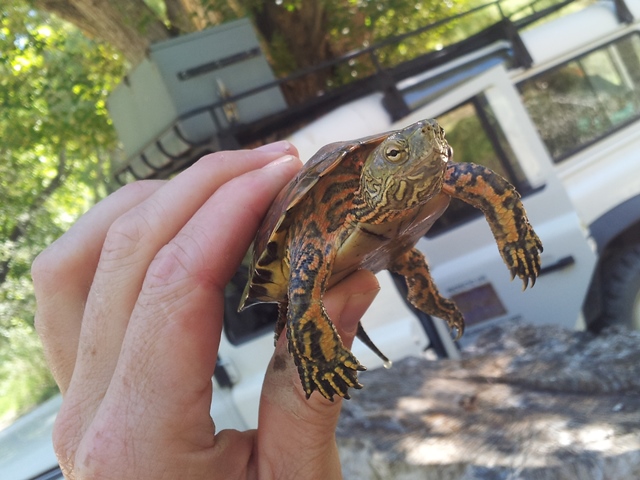

Earlier in the autumn I visited the fish passage project ”Segura Riverlink” in the Segura River, Spain. While in Murcia I also visited researchers at Universidad de Murcia who are involved in studying effects of the newly constructed fishways on the local fishes. I joined Francisco Oliva Paterna, Ana Sanchez Perez and Juan Franco Galera to sample fish in areas affected by the migration obstacles and the new fishways, both in the Segura River and in a tributary. They are sampling fish in affected river stretches before and after the construction of the fishways to study potential changes in species composition and fish distribution. During my visit we sampled fish using electrofishing and minnow traps. The Andalusian barbel (Luciobarbus sclateri) is the star of the Segura Riverlink project and was caught in high numbers. Exotic species are abundant in the Segura River. By electrofishing, we sampled plenty of Iberian gudgeon (Gobio lozanoi) and Iberian nase (Pseudochondrostoma polylepis), both species native to Spain but most likely introduced by humans to the Segura River basin. Other exotic species caught were pumpkinseed (Lepomis gibbosus), northern pike (Esox lucio), common bleak (Alburnus alburnus) and common carp (Cyprinus carpio). The minnow traps were used in the smaller tributary. Here we caught principally Iberian gudgeon and Andalusian barbel but also a couple of Mediterranean turtles (Mauremys leprosa). It was an interesting and pleasant visit. I wish the group good luck in their future work and hope to return.
barbo_,marcaje

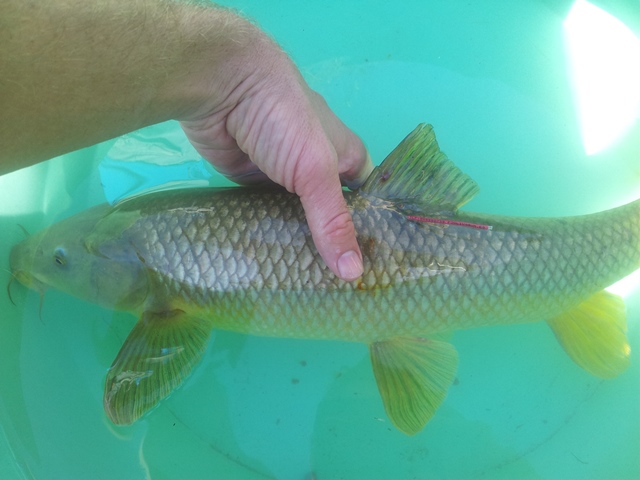
An Andalusian barbel tagged with an external mechanical tag with a unique ID-number. Future recaptures of this individual fish will result in information of its movement and growth.
seg_cypx

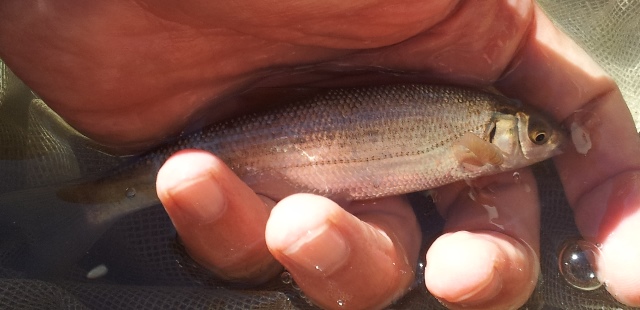
Iberian nase (Pseudochondrostoma polylepis).
seg_goby

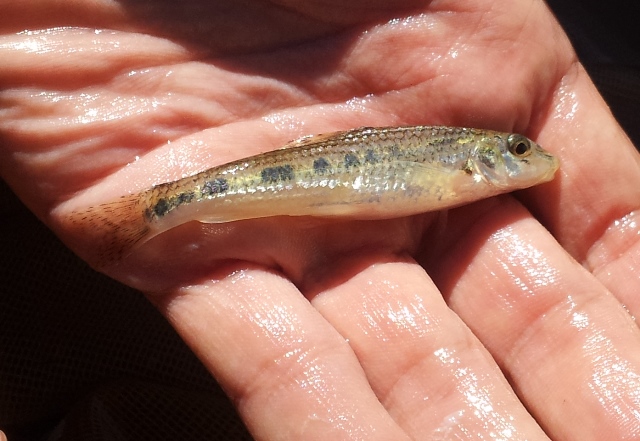
Iberian gudgeon (Gobio lozanoi)

seg_tort

Mediterranean turtle (Mauremys leprosa).
cage

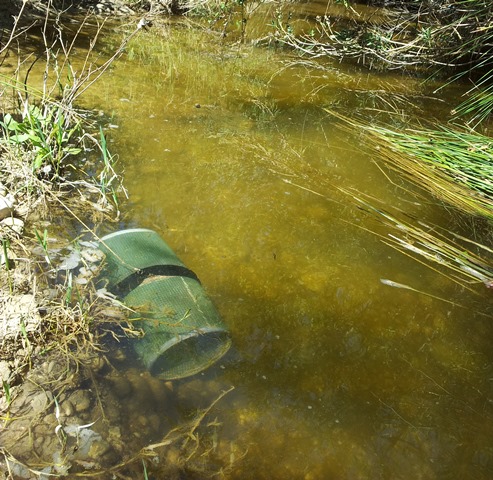
A minnow trap in the tributary.

John Piccolo writes about the ongoing Masters course Ecological Resource Management at Karlstad University:

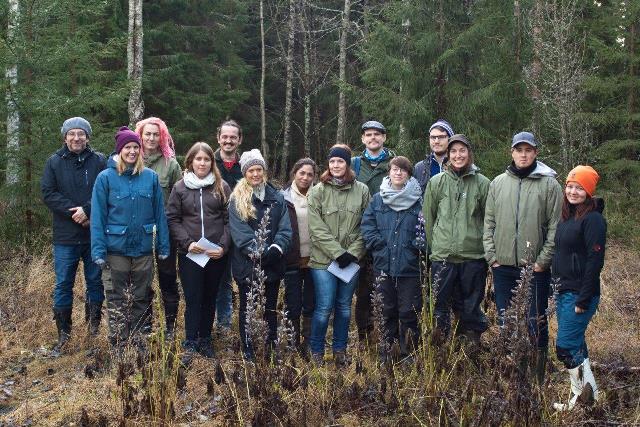
“Our Masters course on Ecological Resource Management is now underway for fall 2015.  Students can read the course on campus or by distance, and we have a field and lab study week in the beginning of November. This year we discussed watershed management and invasive species in the historic Alsterdalen, home of reknowned poet Gustaf Fröding. Professor Lutz Eckstein led the discussion on invasive plants (such as late-blooming Lupine, see group foto). Then we drove over the divide to Klarälvsdalen and downriver to the Almar Forest (Almar skogen). There we discussed forest management with Ove Nystrand, forester for Svenska Kyrkan. 

On the second day we traveled down the River Gullspångsäven, home of the world-reknowned landlocked salmon, Gullspångslaxen. We met Robert Skogh, Mariestads kommun, and got a great overview of his efforts over the past 20 years to protect Gullspångslaxen. Then it was back up to the River Klarälven, where Johnny Norrgård and Olle Calles led the discussion on migration and conservation of Klarälvslaxen (Klarälven salmon).  In the course we use Lake Vänern salmon and trout as a case study for resource management. The students follow up with their own case studies, which will include diverse topics such as Lynx, Lupine, woodpeckers and windpower/bat interactions. It is an exciting course and educational for the teachers and well as the students. “

resman_group

John Piccolo (far left) and students at the Masters course “Ecological Resource Management”.

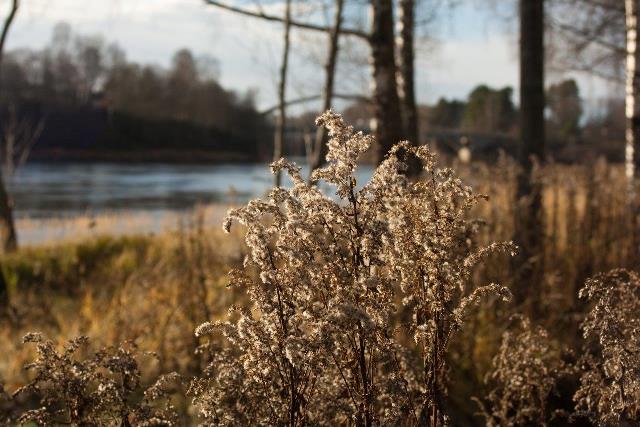
resman_

Invasive Canadian goldenrod (Solidago canadensis) by the River Klarälven.

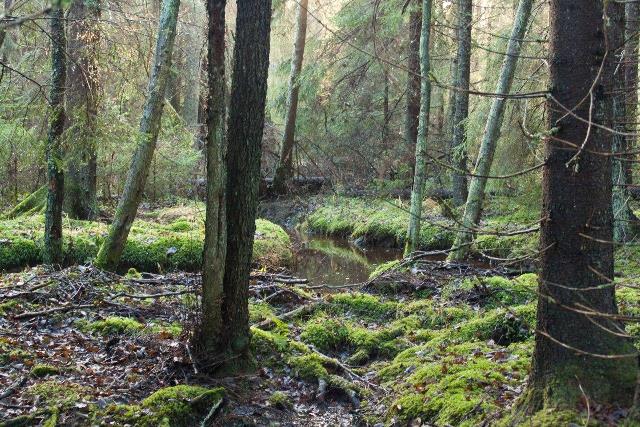
resman_forest

Small stream in the Almar forest.

The golden mussel (Limnoperna fortunei) has invaded rivers in South America. The mussel, like many invasive species, has few natural enemies and reproduce rapidly. Below is a YouTube-video with information about the mussel and its ecological effects. The video is part of a crowdfunding project from the Laboratório de Biologia Molecular Ambiental BioMA, with the aim to sequence the mussels DNA to better understand the organism.

YouTube Preview Image

Read more about the golden mussel and the sequencing of its DNA here.

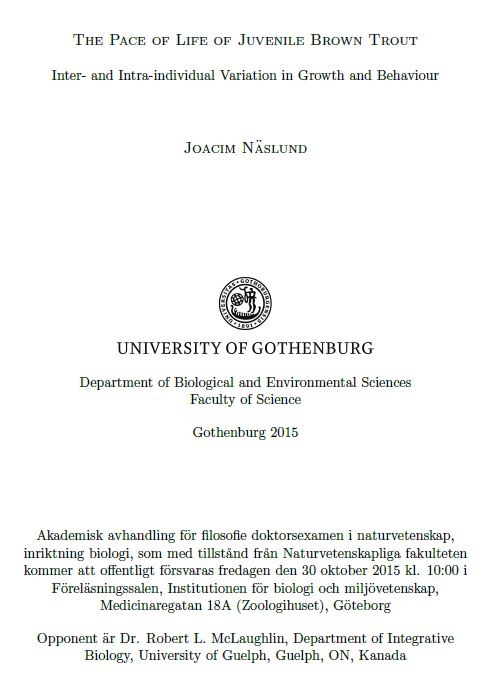
Last Friday, Joacim Näslund, Gothenburg University defended his thesis: “The Pace of Life of Juvenile Brown Trout – Inter- and Intra-individual Variation in Growth and Behaviour“. Opponent was Robert McLaughlin from University of Guelph, Canada. John Piccolo, from Karlstads Universiy was part of the “betygsnämnd” (evaluation committee) together with Petronella Kettunen, GU och Fredrik Nordwall, HaV. 

naslund

In relation to the defense, a workshop on “Ecology of Stream Salmonids” was organized. At the workshop, John Piccolo presented an overview of foraging and habitat selection models for salmonid restoration.

Fish Migration in Tromsö

Posted by Daniel Nyqvist | Events

A few weeks ago Stina Gustavsson and I (both PhD-students at KaU) attended a course in “Fish migration: Theory and technology” at the Tromsö University (UiT). The course was given by Eva Thorstad (NINA and UiT) and Audun Rikardsen (UiT). Topics included ecology and evolution of fish migration, methods in fish telemetry (tags and tagging) and plenty of case studies on migrating fish. Focus was on anadromous salmonids in northern Europe – Atlantic salmon, brown trout and arctic charr – and European eel, but (for example) fish migration studies in the Zambezi River and on Atlantic halibut were also discussed. Elina Halttunen, IMR also visited the course and gave a lecture on the importance of Atlantic salmon post-spawners and their downstream migration. Other attendees included Master- and PhD-students from Tromsö University (Norway), Oslo University (Norway) and DTU Aqua (Denmark). It was an interesting course with good lectures and a lot of stimulating discussions.

Audun_Rikardsenfor

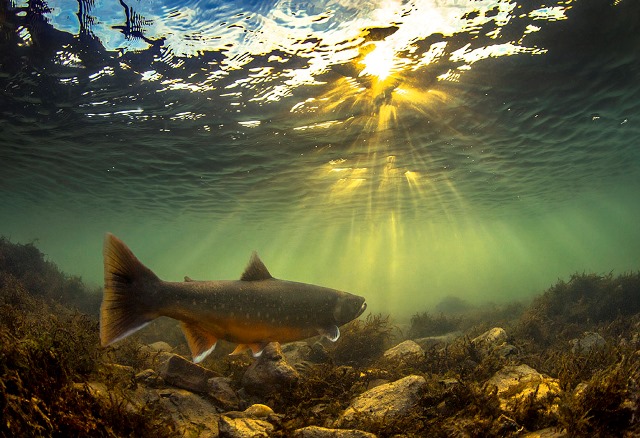
“Arctic charr in midnight sun”
Photo: Audun Richardsen – www.audunrikardsen.com


Imorgon, fredagen den 23:e oktober, kommer Todd Deligan från WHOOSHH Fish Transport System (dvs företaget bakom den beryktade laxkanonen) på snabbbesök till Karlstads Universitet. Han kommer att ge en presentation i samband med förmiddagsfikat.

YouTube Preview Image

Johnny Norrgård, från Fortum och KaU, kommer även att informera om Fortums framtidsplaner i Forshaga med nya anläggningar för avelsfisk samt produktion av öring- och laxungar till Vänern.

Presentationerna ges från klockan 09:30 i rum 5F416. Alla är välkomna!

kardinaltetra

Kardinaltetror från Amazonas (foto klippt från filmen Project Piaba: For Ornamental Fish)

I måndags gick årets FishBase Symposium av stapeln på Naturhistoriska riksmuseet i Stockholm. Temat för årets symposium var ”Captivating fish” och innebar föredrag om akvariefisk och akvakultur. Flera doktorander från NRRV och Karlstads universitet var på plats för att lyssna på intressanta presentationer.

Scott Dowd, från New England Aquarium pratade om hållbar handel med akvariefisk och dess betydelse för lokala ekonomier. Kadinaltetran fångas vilt i Amazonas-systemet i Brasilien där den lokalt utgör en viktig ekonomisk resurs för människor vid floden. Kardinaltetrans livshistoria, med stor dödlighet över torrperioden, lämpar sig enligt Scott Dowd väl för ett hållbart uttag av fisk för export. Svein Fosså pratade om akvariefiskens historia och ekonomi. Han poängterade också dess betydelse för att väcka intresse för fisk och naturvård. Brian Zimmerman, från London Zoo presenterade arbete (akvarier/zoos emellan) med att bevara hotade fiskarter i fångenskap. Frank Kirschbaum, Humboldt-Universität berättade om forskning om cyclisk reproduktion (att fiskarna leker återkommande gånger) och dess bereonde av abiotiska faktorer såsom konduktivitet, temperatur och regn-ljud hos tropiska regnberoende fiskar. Han beskrev också arbetet med att återintroducera stör i Tyskland. I både fallen är kunskap om den naturliga reproduktionen viktig för möjligheterna att föröka arterna i fångenskap. Björn Källström från Sjöfartsmuseet Akvariet i Göteborg berättade om deras arbete och dagen avslutade med att Björn Frostell, KTH och Anders Kiessling, SLU presenterade utvecklingspotential inom akvakultur i Sverige.

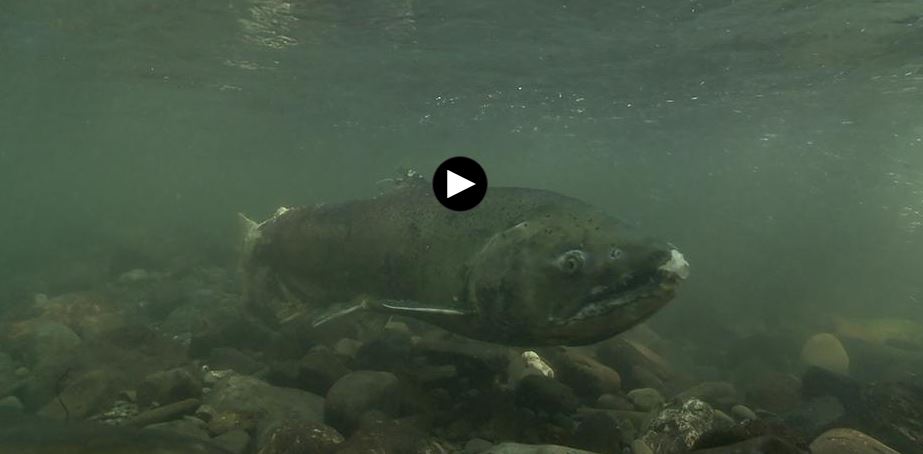
Northwest Now på PBS har gjort en kort dokumentär om bevarande och återställande av laxbestånd i nordvästra USA. I filmen diskuteras vandringshinder, fiskpassage, damm-rivningar, habitat restaurering (både i älven och i marin miljö), fiske och kompensationsodling. Berättelsen bygger på nedslag i olika laxbestånd och människor som arbetar med dem. Alla i filmen är inte överens. Se den på online här, eller klicka på bilden nedan:

northwest

Elwha River, Washington, USA öppnades nyligen upp för vandrande fisk då två stora dammar togs bort efter att ha blockerat älven i ungefär ett sekel. På ESRI Story Map presenteras en del av historien om dammarna, människorna och laxen grafiskt. Snyggt, lättsmält och informativt. Se berättelsen här: ESRI Story Map – A River Reborn

Elwha River efter restaurering. Foto av Getty Images (länkad via storymaps.esri.com)